Neural Bloom#3
Interactive installation | 2026
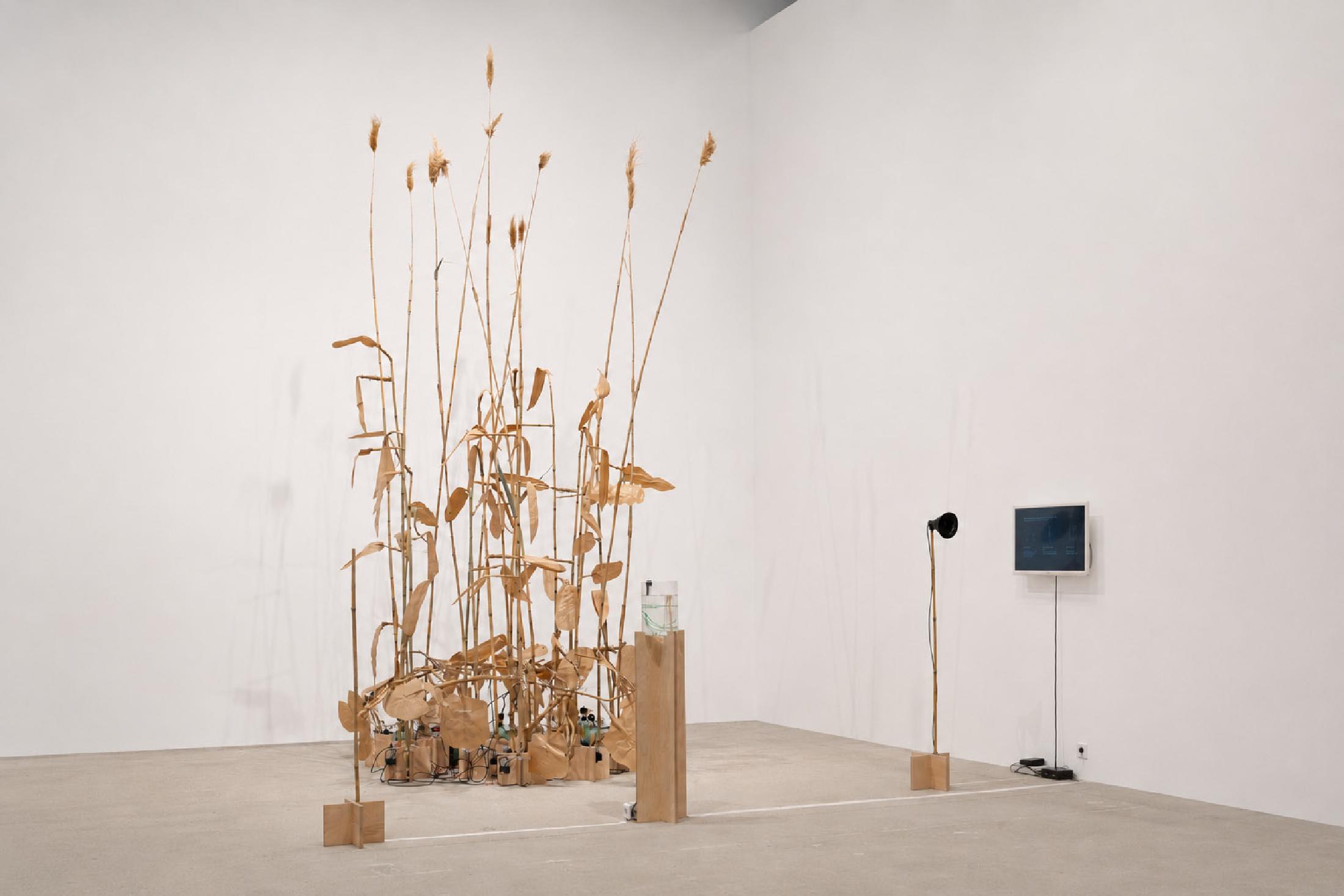
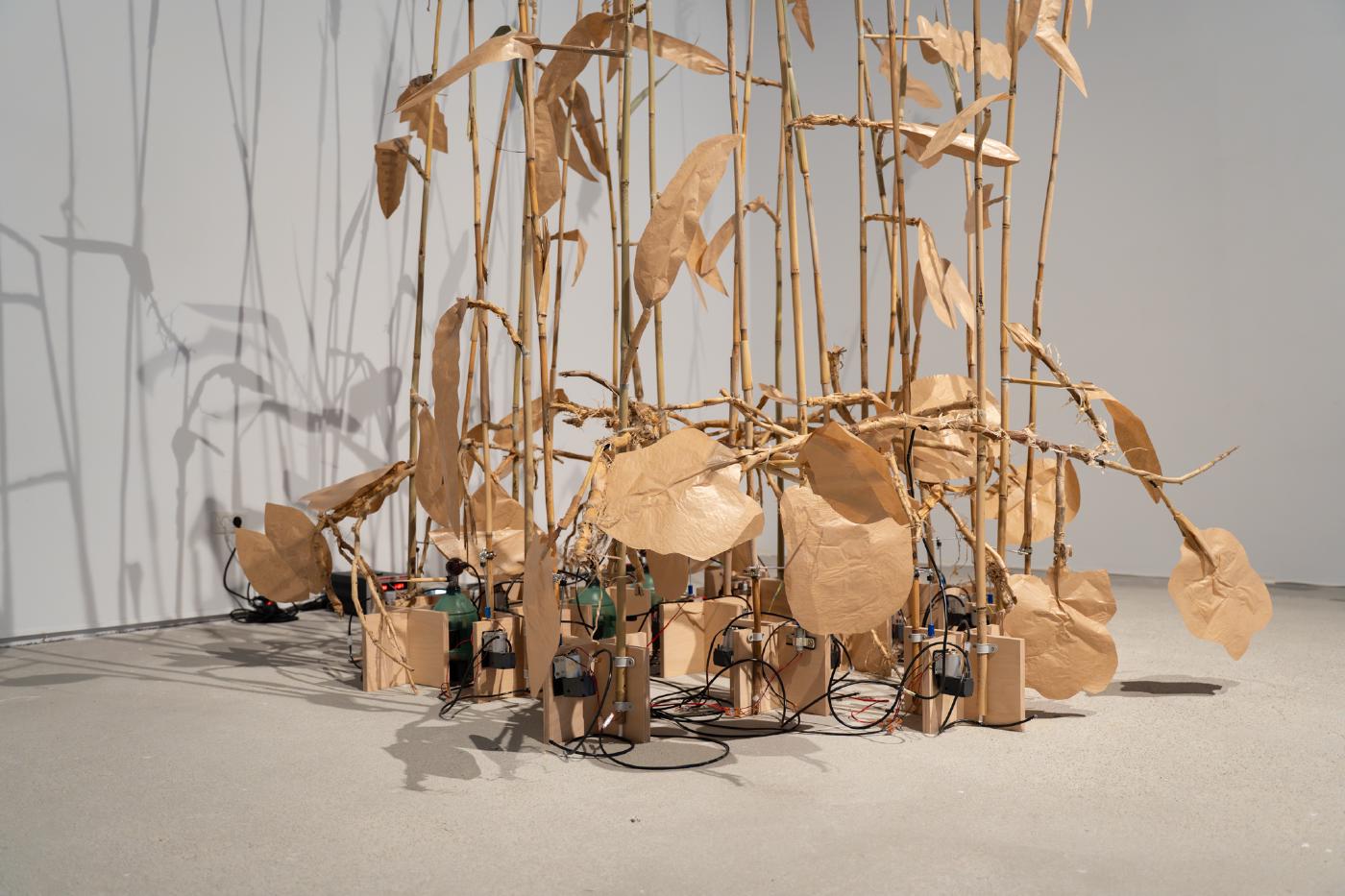
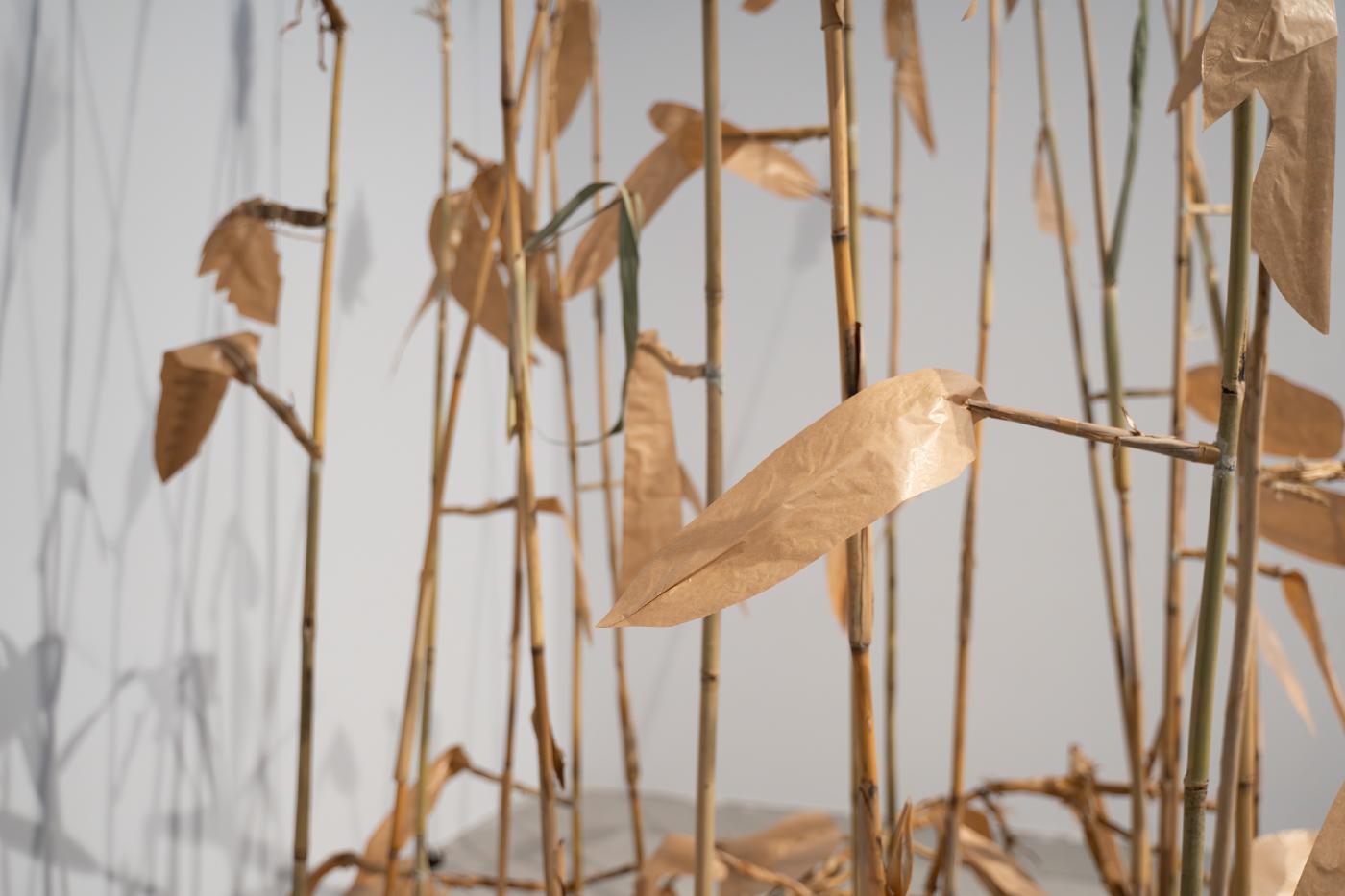
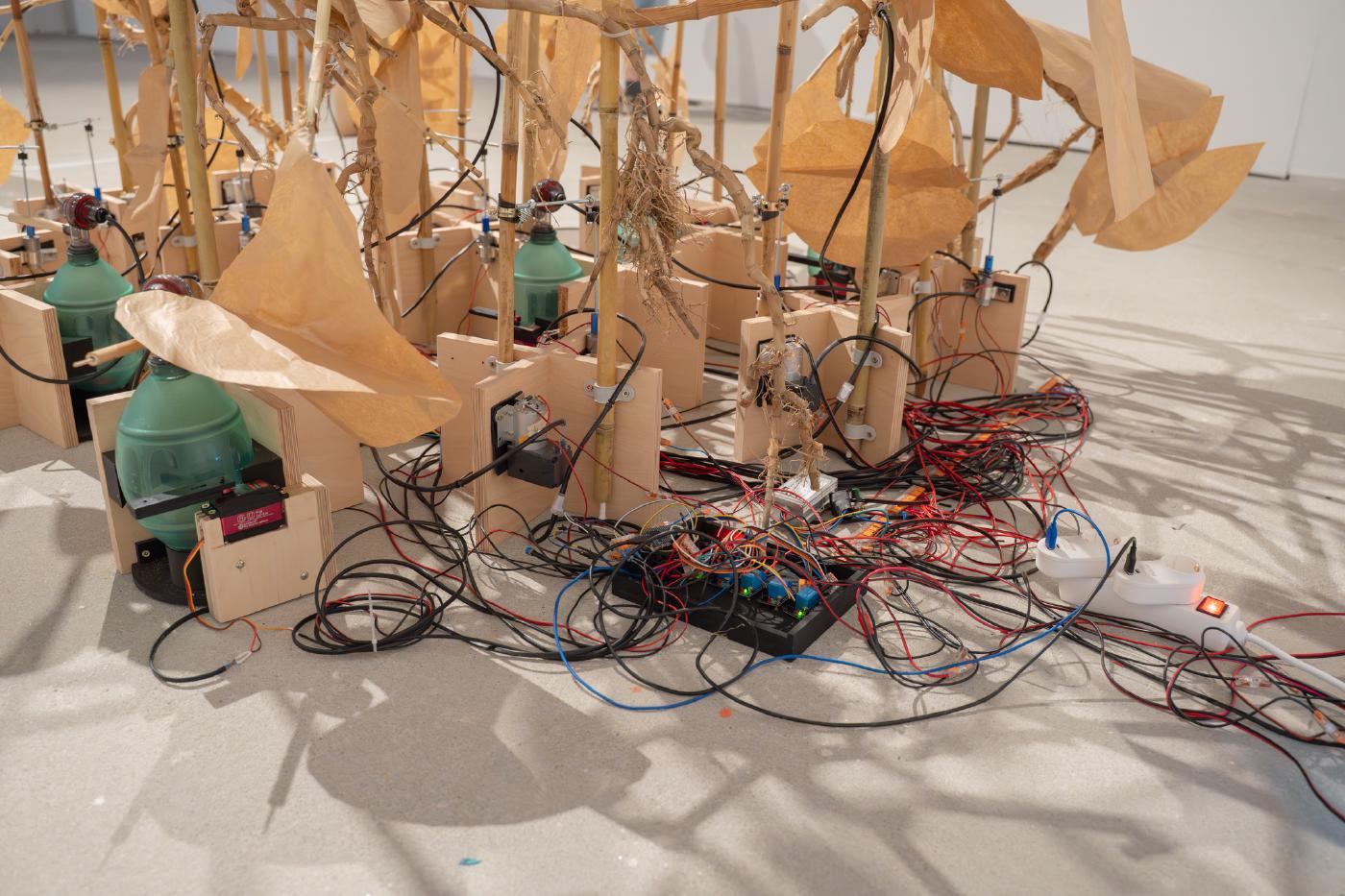
Neural Bloom#3
Interactive installation | 2026
Neural Bloom grew out of my artistic research in the Danube Delta. During fieldwork around the floating reed islands (plaur) near Sfântu Gheorghe, I observed these unique wetland formations, collected reed and root samples, and tested the environmental sensors that later became part of the installation. Rather than treating the Delta as a landscape to represent, I approach it as a living system to think with.
The project is inspired by the floating reed islands of the Danube Delta: drifting ecosystems suspended between water and land, stability and transformation. Composed of reeds, roots and organic matter, they provide habitat for birds, insects and fish while constantly changing shape through the movement of water and wind. As they drift, they gather sediments and debris alike, growing into dynamic formations whose boundaries remain fluid and difficult to define.
My research builds on the work of ecologist Marietta Pallis, who described these floating systems as semi-autonomous ecologies shaped by the intertwined processes of respiration, the decomposition of organic matter, and the movement of air and water. Because they exist in a continuous state of transformation, they resist fixed classification and require patience and observation rather than intervention. Pallis proposed what she called a benign ecology: an approach in which wetlands are understood not merely as objects of scientific observation, but as alternative ways of knowing and relating to the living world.
The project is also informed by philosopher Luce Irigaray’s proposition, “I breathe, therefore I am,” which shifts attention from thinking to breathing as the condition that fundamentally connects living beings. Air becomes a shared medium circulating across bodies and species, reminding us that humans are inseparable from the ecological processes that sustain life.
Building on these perspectives, Neural Bloom takes the form of a hybrid organism composed of organic and artificial structures that breathe and move together, responding to the presence of visitors and subtle variations in the surrounding environment. Technology does not function as an instrument of control, but as a sensitive infrastructure that reveals how every form of knowledge is already a form of intervention.
Through sensors and interactive systems, I explore three ways of relating to the environment: common atmosphere, distance and proximity. The common atmosphere begins with air as a shared medium moving through bodies and species alike. Distance emerges through data that renders otherwise imperceptible processes visible while simultaneously creating separation. Proximity is activated through bodily presence, direct contact and gestures that subtly alter the surrounding environment.
Rather than representing ecological relations, Neural Bloom proposes a living, permeable system in which participation itself becomes part of the work. Each encounter becomes a way of positioning ourselves: towards the air we share, towards the environments we transform into data, and towards the matter we touch. The installation asks not only how we perceive an ecosystem, but how our ways of perceiving participate in shaping the worlds we inhabit.
Collaborators
Programming Consultant – Cristian Balaș
Research Consultant – Dr. Ștefan Constantinescu
Technical and Logistical Support – Răzvan Crimschi
Photo
Gabriela Cosma